

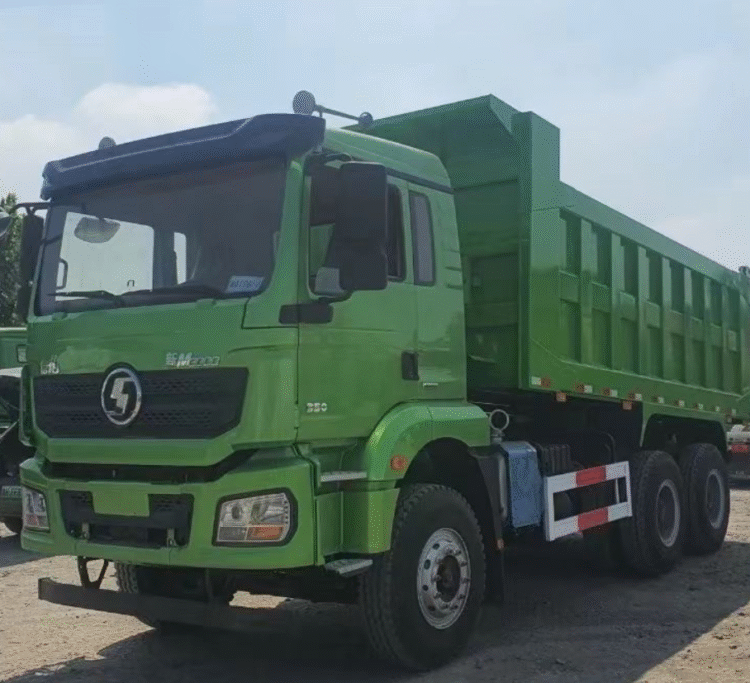
Choosing the right used construction truck involves more than comparing prices, brands, or engine specifications. One of the most important factors is payload capacity: the amount of material or cargo a truck can carry within its rated limits. If a truck cannot handle the required load, it may need more trips to complete a job. If it is selected without considering the actual workload, buyers may also pay for capacity they rarely use.
For construction companies, contractors, and fleet operators, understanding payload requirements helps narrow down suitable used construction trucks and match vehicle capabilities to daily work. Whether a project involves transporting soil, gravel, construction materials, or heavy equipment, the right truck can support more practical transport planning.
Why Payload Capacity Matters in Construction
Construction projects involve different materials, distances, and operating conditions. A truck carrying loose soil may face different loading requirements from one transporting gravel, steel components, or machinery. The type of cargo affects both the space needed and the weight carried.
Payload capacity influences how much material can be transported per trip. A suitable capacity may help reduce unnecessary journeys and improve the use of available working hours. However, payload alone does not determine productivity. Loading time, unloading arrangements, road conditions, travel distance, and the number of trips required all affect overall performance.
When searching for used construction trucks for sale, buyers should therefore consider the typical load for each job rather than choosing a vehicle based only on its advertised maximum capacity.
Understand the Difference Between Payload and Gross Vehicle Weight
Before comparing used construction trucks, buyers should understand two important terms: payload capacity and gross vehicle weight rating.
Payload capacity refers to the weight a truck can carry, including cargo and, depending on the manufacturer’s definition, other added loads. GVWR is the maximum permitted total weight of the loaded vehicle. This generally includes the truck itself, fuel, occupants, equipment, and cargo.
These figures are related but are not interchangeable. A truck with a higher gross vehicle weight rating does not automatically provide the same amount of payload capacity as another truck with a different curb weight or body configuration.
Buyers should check the manufacturer’s specifications, vehicle identification information, and applicable local regulations before making a decision. The actual legal carrying capacity may also depend on axle ratings, tire ratings, road restrictions, and registration requirements.
Match Truck Type to the Material Being Transported
Different construction trucks are designed for different transport tasks. Matching the truck body and configuration to the cargo can be just as important as selecting the right payload rating.
Dump trucks: Used construction dump trucks are commonly considered for transporting soil, sand, gravel, and other bulk materials. Buyers should evaluate the rated payload, dump body volume, and unloading requirements. A larger body does not necessarily mean more material can be carried safely, particularly when transporting dense materials.
Tractor trucks: Used construction tractor trucks are suitable for operations involving compatible trailers. Buyers need to consider the tractor’s permitted towing capacity, the trailer’s own rating, axle loads, and the combined vehicle weight. The payload of the trailer must not be confused with the tractor’s standalone carrying capacity.
Crane trucks: Used crane trucks may transport building materials while also supporting lifting tasks. Buyers should consider both the truck’s permitted payload and the crane’s lifting capacity at the required working radius. Lifting capacity varies with boom position and operating conditions, so the two ratings must be checked separately.
For contractors comparing used heavy-duty construction trucks, choosing a vehicle according to the actual task can help avoid paying for an unsuitable configuration.
Consider Material Density and Loading Volume
Payload requirements are not determined by weight alone. The density of the material and the available loading volume also matter.
For example, a truck body may have enough space for a full load of loose, lightweight material but reach its permitted weight limit before the body is completely filled with dense gravel or soil. Conversely, bulky materials may fill the body before the vehicle reaches its rated payload.
Buyers should estimate the typical weight and volume of the materials being transported. This is especially important when selecting used construction dump trucks for sale, as body dimensions and payload ratings need to work together.
It is also worth considering whether material density varies between jobs. A truck used for several types of construction material should be suitable for the heaviest expected load, while remaining practical for routine work.
Evaluate the Whole Transport Operation
A truck’s rated capacity should fit the wider project plan. Consider the distance between loading and unloading points, the number of daily trips, the time needed to load and discharge materials, and the conditions of the route.
For short-distance hauling within a construction site, maneuverability and loading arrangements may be especially important. For longer transport routes, buyers may need to consider fuel consumption, vehicle configuration, and applicable road-weight restrictions.
Before purchasing a second-hand construction truck, review its maintenance records and inspect the chassis, suspension, tires, brakes, and load-bearing components. These checks help establish whether the vehicle is suitable for the intended workload. A truck’s rated capacity should never be treated as proof that its current condition is safe for maximum loading.
Choose Used Construction Trucks with Rhino Trucks
When evaluating used construction trucks, buyers should prepare a clear list of transport requirements before comparing available vehicles. This list can include the materials to be carried, typical load weight, required body type, travel distance, operating environment, and local weight regulations.
Rhino Trucks provides used commercial vehicle options for businesses with different transport needs. Buyers can use their project requirements to compare available truck types and specifications, helping them focus on vehicles that are more appropriate for their intended applications.
For international purchases, it is also important to confirm the vehicle’s documented specifications, export arrangements, and applicable import requirements before completing the transaction.
Conclusion
Payload requirements play a central role in used construction truck selection. The right vehicle must carry the required materials within its rated limits while matching the project’s loading methods, transport distances, and operating conditions.
By comparing payload capacity, body configuration, material density, and the condition of key components, buyers can make a more informed decision. A clear understanding of daily transport needs helps construction businesses choose used construction trucks that fit their workload without paying for unnecessary capacity.

