
Construction roads are rarely as smooth as public highways. Uneven ground, loose gravel, muddy sections, potholes, and steep access routes can place additional demands on a dump truck. For contractors working at construction sites, quarries, and earthmoving projects, choosing a vehicle that suits these conditions is essential.
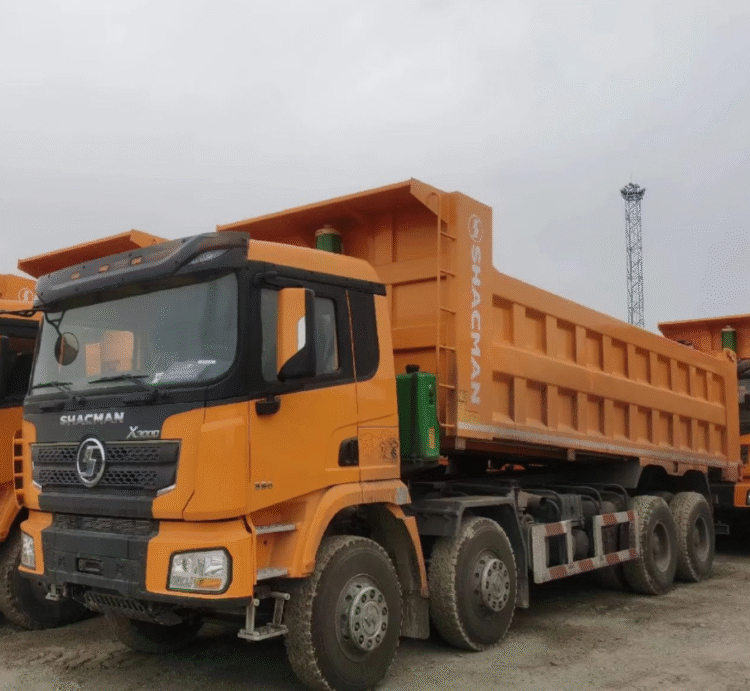
A used Shacman dump truck may be a practical option for businesses that need a heavy-duty vehicle for challenging job sites. However, its actual performance depends on more than the truck brand. Chassis condition, suspension components, tire selection, drivetrain configuration, and maintenance history all influence how the vehicle handles rough terrain. Understanding these factors helps buyers choose a second-hand truck that matches their working environment.
Chassis Condition Affects Stability on Rough Ground
The chassis supports the truck body and carries the loads experienced during transportation and unloading. When a dump truck travels over uneven construction roads, the frame is exposed to repeated vibration, twisting forces, and uneven wheel movement.
Before purchasing a used Shacman dump truck for sale, buyers should inspect the chassis for cracks, corrosion, deformation, and signs of poor-quality repairs. Particular attention should be given to areas around mounting points and other locations exposed to repeated stress.
A structurally sound chassis helps the truck remain stable under suitable operating conditions. However, even a heavy-duty truck can experience accelerated wear if it repeatedly travels over severe road irregularities at inappropriate speeds or carries loads beyond its rated capacity.

Suspension and Axle Condition Matter
Suspension components help absorb road impacts and maintain tire contact with the ground. On uneven surfaces, worn suspension parts can lead to excessive vibration, reduced ride stability, and additional stress on connected components.
When evaluating a second hand Shacman dump truck, buyers should check suspension bushings, springs, shock absorbers where fitted, axle components, and mounting points. Unusual noises, uneven tire wear, or excessive movement may indicate that further inspection is needed.
Axle condition is also important because the wheels must respond to changes in ground level while supporting the vehicle’s weight. Regular inspection and timely replacement of worn components can help reduce the risk of unexpected mechanical problems during demanding work.
Tire Selection Influences Traction
Tires are the truck’s direct connection with the road. Loose gravel, wet soil, and muddy construction access roads can create different traction challenges from paved surfaces.
When comparing used Shacman heavy-duty dump trucks, buyers should examine tire tread depth, sidewall damage, uneven wear, and whether the tire type suits the intended work environment. Tires designed for suitable construction or off-road conditions may provide better traction on loose surfaces than tires intended mainly for paved roads.
Correct tire pressure is equally important. Underinflation or overinflation can affect tire wear, handling, and load support. Operators should follow the vehicle and tire manufacturers’ recommendations rather than adjusting pressure by guesswork.
Ground Clearance and Drivetrain Configuration
Construction sites may contain deep ruts, exposed stones, uneven slopes, and temporary access roads. Ground clearance can influence whether the truck can pass these obstacles without damaging components beneath the chassis.
Buyers should consider the truck’s overall dimensions, approach and departure angles where relevant, and the type of terrain it is expected to encounter. Drivetrain configuration also matters. Different Shacman dump truck models may have different axle arrangements and drive configurations, so buyers should confirm the specifications of the actual vehicle rather than assume all models perform the same way.
For businesses searching for an affordable used Shacman dump truck, matching the vehicle configuration to the site is often more useful than choosing a truck based on appearance alone.
Driving Practices Affect Performance
Even a well-maintained truck needs to be operated appropriately on rough ground. Excessive speed over potholes, abrupt steering, sudden braking, and driving across steep slopes without considering ground conditions can increase stress on the chassis, suspension, tires, and drivetrain.
Drivers should reduce speed when approaching large bumps, maintain suitable following distances, and avoid sudden changes in direction on loose surfaces. Unloading also requires attention to ground stability. A dump truck should be positioned on firm, reasonably level ground, following the manufacturer’s operating instructions, before raising its dump body.
These practices cannot eliminate every risk, but they can help protect the vehicle and support safer job-site operations.
Inspect the Truck Before Making a Purchase
A vehicle’s previous working environment can provide useful clues about its condition. Buyers should ask about its maintenance history, typical applications, and any repairs involving the chassis, suspension, axles, or tires.
A professional inspection and, where practical, a controlled road test can help identify problems that are not obvious from photographs. Buyers should also confirm that the truck’s specifications and condition meet the demands of their intended work.
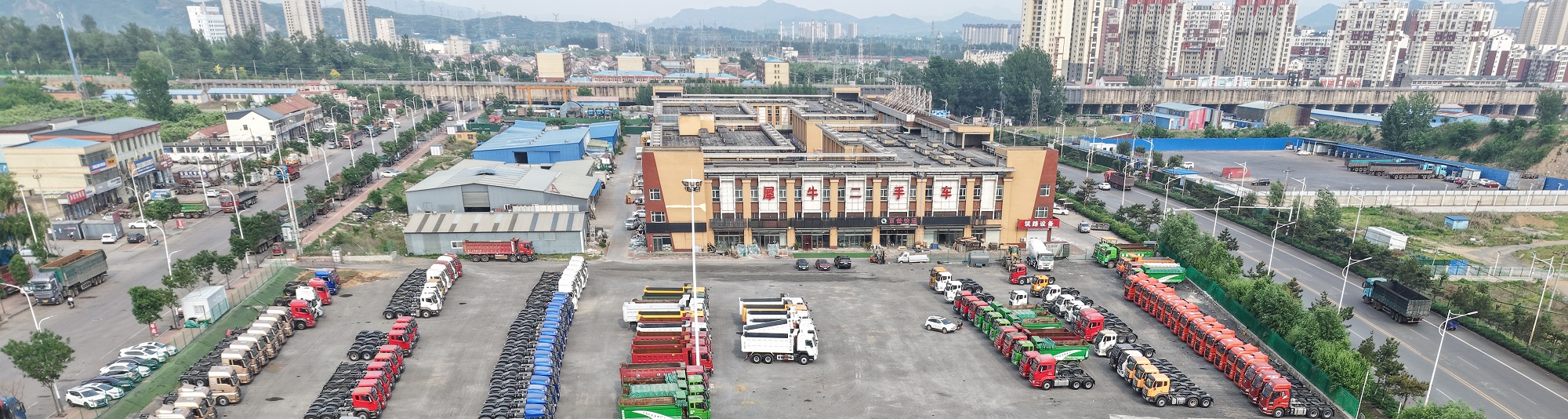
Rhino Trucks offers used commercial vehicle sourcing options for buyers comparing trucks for construction and material transportation. When considering used Shacman dump trucks for export, it is particularly important to review vehicle documentation, configuration, and condition before arranging delivery.
Conclusion
A used Shacman dump truck can work on uneven construction roads when its configuration, mechanical condition, and operating practices suit the terrain. Chassis integrity, suspension condition, tire traction, ground clearance, and careful driving all influence performance.
Before buying a used Shacman dump truck, buyers should assess the vehicle as a complete working unit rather than focus only on its price or appearance. Careful inspection and suitable vehicle matching can help contractors make a more informed purchasing decision and prepare the truck for the demands of their job sites.

