
Fresh produce distribution requires more than simply transporting fruits and vegetables from one location to another. Wholesalers, farms, food distributors, and supermarket suppliers must coordinate collection, transportation, unloading, and delivery schedules to keep their supply chains running smoothly. Delays at any stage can affect product quality and increase operating costs.
For businesses looking to expand their delivery capacity without investing heavily in new vehicles, used refrigerated trucks can be a practical option. A properly selected used refrigerated truck for fresh produce can help businesses organize deliveries, manage daily orders, and improve transportation efficiency.
Supporting More Flexible Delivery Schedules
Fresh produce businesses often serve multiple customers with different delivery requirements. Wholesale markets may need early-morning deliveries, while supermarkets and restaurants may require goods at specific times throughout the day.
Using used refrigerated trucks allows distributors to add vehicles to their fleets and arrange more flexible delivery schedules. Instead of relying on one vehicle to complete several deliveries in sequence, businesses can assign different trucks to separate routes or customer groups.
For example, a produce distributor may arrange one vehicle for wholesale market deliveries and another for supermarket replenishment. This approach can reduce scheduling conflicts and make it easier to respond to changing order volumes.
When choosing a used refrigerated truck for produce delivery, buyers should consider how the vehicle will fit into their existing dispatch arrangements and daily delivery timetable.
Improving Coordination Between Collection and Delivery
Fresh produce distribution usually involves several stages, from farm collection to sorting facilities, wholesale markets, and retail destinations. If transportation is not coordinated properly, vehicles may spend too much time waiting at loading areas or between delivery points.
A suitable used refrigerated produce truck can help businesses organize these transportation stages more efficiently. By assigning vehicles to specific collection areas or delivery routes, operators can reduce unnecessary vehicle movements and improve the flow of goods.
Businesses should also consider how delivery schedules connect with harvesting and packing arrangements. For example, vehicles can be scheduled to arrive after produce has been sorted and prepared for shipment, reducing unnecessary waiting time.
For companies searching for used refrigerated trucks for agricultural distribution, matching vehicle availability with the daily collection and dispatch process is an important part of improving operational efficiency.
Making Multi-Stop Deliveries Easier to Manage
Many fresh produce distributors do not deliver to just one destination. A single route may include several grocery stores, restaurants, local markets, or distribution centers.
Multi-stop delivery requires careful planning. Drivers need to follow a practical route, complete each unloading task, and keep delivery records organized. Poor planning can result in unnecessary travel and missed delivery windows.
A business can use multiple used refrigerated trucks to divide delivery areas according to customer locations. For example, one truck may serve customers in the city center, while another handles deliveries to surrounding commercial areas.
This approach helps distributors manage refrigerated produce transportation more systematically. It also allows businesses to adjust their fleet assignments when new customers are added or delivery areas change.
Reducing Pressure on Existing Delivery Vehicles
As a produce distribution business grows, its existing vehicles may struggle to handle increasing order volumes. Relying on a limited number of trucks can create scheduling pressure, especially when several customers require deliveries within similar time windows.
Adding used refrigerated trucks for fresh food delivery can provide additional transportation capacity without requiring the business to purchase an entirely new fleet.
A company can assign additional vehicles to busy routes, use them for backup deliveries, or reserve them for larger orders. This makes fleet scheduling more flexible and helps reduce excessive pressure on existing trucks.
However, buyers should evaluate the vehicle’s condition, maintenance requirements, and operating costs before expanding their fleet. The purchase price is only one part of the overall investment.
Matching Truck Specifications to Distribution Requirements
Not every produce distribution business needs the same type of refrigerated truck. Vehicle selection should reflect the company’s delivery volume, route characteristics, loading arrangements, and available parking or unloading space.
Buyers should compare payload capacity, cargo body configuration, vehicle dimensions, and refrigeration equipment specifications. They should also consider whether the truck can access the loading facilities and delivery locations used in daily operations.
For businesses handling frequent urban deliveries, maneuverability and convenient loading arrangements may be especially important. Companies serving larger wholesale customers may place greater emphasis on carrying capacity and the ability to complete scheduled bulk deliveries.
When comparing used refrigerated trucks for sale, it is important to evaluate the complete vehicle configuration rather than choosing based on one specification alone.
Choosing a Suitable Used Refrigerated Truck Supplier
The purchasing process also affects long-term distribution efficiency. Buyers should request clear vehicle specifications, maintenance information, photographs, and relevant documentation before placing an order.
It is also important to confirm the vehicle’s operating condition and refrigeration system performance. For international buyers, export documentation, shipping arrangements, and the availability of replacement parts should be considered during supplier evaluation.
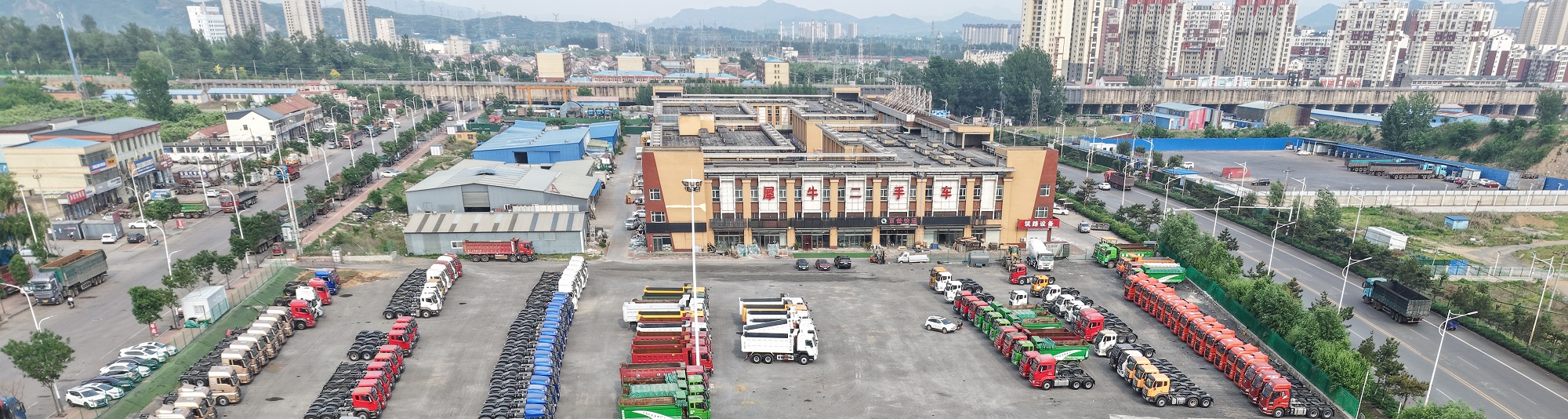
Rhino Trucks provides an option for businesses sourcing used commercial vehicles for their transportation operations. Buyers can compare available vehicle configurations and assess whether a particular used refrigerated truck meets their fresh produce distribution requirements.
Before purchasing, businesses should communicate their intended application and verify the specifications of the individual vehicle.
Conclusion
Used refrigerated trucks can help fresh produce distributors improve delivery efficiency by supporting flexible scheduling, coordinating collection and transportation, organizing multi-stop routes, and expanding fleet capacity.
The best choice depends on how the vehicle will be used within the entire distribution process. By evaluating vehicle specifications, delivery requirements, operating costs, and supplier information, businesses can make more informed purchasing decisions and build a more efficient fresh produce transportation fleet.